SPACE EXPLAINED · OCTOBER 13, 2026 · GOOD TO KNOW
A six-wheeled robot just became the longest-distance driver on another world. The impressive part isn’t only how far it traveled — it’s how independently it got there.
NASA says its Perseverance Mars rover surpassed the previous extraterrestrial driving-distance record on October 11, 2026. It logged 28.10 miles (45.22 km), just beyond the 28.06 miles (45.16 km) traveled by its predecessor, Opportunity. NASA published the milestone on October 12. NASA’s full announcement explains why this is also a milestone for autonomous navigation.
The story in 20 seconds
- New record: 28.10 miles (45.22 km) as of Oct. 11.
- Previous record: Opportunity’s 28.06 miles (45.16 km).
- Why it matters: More than 90% of Perseverance’s driving distance has involved onboard autonomous navigation.
A record measured in miles — and years
The difference between the two records is small: 0.04 miles, or about 60 meters, based on NASA’s rounded figures. But the comparison hides a more impressive change in pace. Opportunity accumulated its distance over nearly 15 years of exploration. Perseverance reached its new mark in about five and a half years after landing in 2021.
| Rover | Distance | Time to record |
|---|---|---|
| Perseverance | 45.22 km | About 5½ years |
| Opportunity | 45.16 km | Almost 15 years |
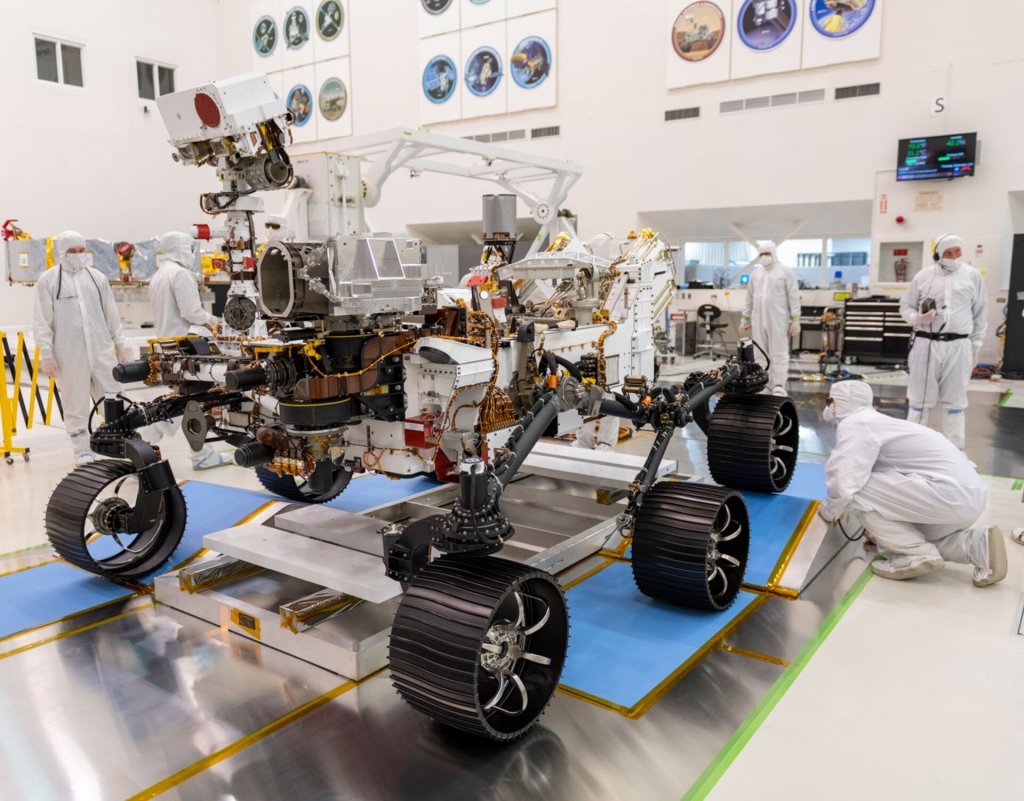
How does a rover drive without a steering wheel on Earth?
Earth-based teams still choose the rover’s broad destinations. Between those points, however, Perseverance’s AutoNav system evaluates camera images, creates a 3D understanding of the terrain and navigates around hazards. NASA reports that more than 90% of its cumulative driving distance has used this capability.
That does not mean the rover has been making every scientific decision on its own or driving without any human oversight. Think of it as an exceptionally careful off-road assistant: the mission team sets the destination; onboard software helps it navigate the rocky route. There are no handy roadside signs on Mars — and definitely no tow truck around the corner.
The real destination is scientific discovery
Perseverance is now exploring terrain beyond the western rim of Jezero Crater, where scientists hope to study very old rocks and investigate evidence of ancient environments. According to NASA, the rover has gathered 29 rock and regolith samples across its mission, helping researchers piece together Mars’ geological past.
Scientists are also investigating a potential biosignature identified in a rock called Cheyava Falls. This is not confirmation that life existed on Mars. Further evidence is needed before such a conclusion can be made. Driving farther simply gives the mission access to more places worth investigating.
Why this matters: A Mars rover’s mileage isn’t just a scoreboard. Better navigation means reaching more scientifically interesting terrain while spending less time waiting for every steering decision from Earth. That helps future robotic missions explore more efficiently, too.
Sources & editorial note
- NASA Science — record-distance announcement, October 12, 2026
- NASA — Perseverance mission overview
- ESA — historical rover photo
This report is based on publicly released NASA mission information. The accompanying photograph is clearly labeled archival material. No original on-site reporting or direct rover testing is claimed. Figures reflect NASA’s report dated October 12, 2026.

